Are screenlife films the future of cinema or just one big gimmick?
Film & TV7 November 2026
AuthorCharlie Kendellen
PhotosBLUMHOUSE PRODUCTIONS
From Unfriended to Host, screenlife cinema has transformed our everyday technology into a source of horror, anxiety and unexpected creativity. But has the novelty finally worn off?
S
creenlife refers to films that unfold almost entirely on a computer screen. You might have seen this phenomenon in films like Unfriended (2014) or Spree (2020). Despite really rising to prominence post Covid, this format has been around and thriving since the early 2000s. The first of its kind is The Collingswood Story (2002) a found footage film that uses the screenlife format as a means of showing the early days of technology and the video chat. A lot of first time independent filmmakers utilise this format as a means of storytelling on a shoestring budget – but is it effective or is it an already tiresome gimmick?
An overwhelming number of films in this subgenre are horror – and are wholly concerned with unpacking, and often fueling our fear of technology. At the very least, this branch of horror started off as a cautionary tale – Megan is Missing (2011) functions more of a PSA for fearmongering parents than it does an exercise in horror. Using gratuitous and exploitative violence against teenaged girls, the film fails in providing any real nuance in its subject matter – especially giving it uses two seventeen-year-old actors in playing a thirteen and fourteen year old respectively.
Megan Is Missing (2011) | Trio Pictures
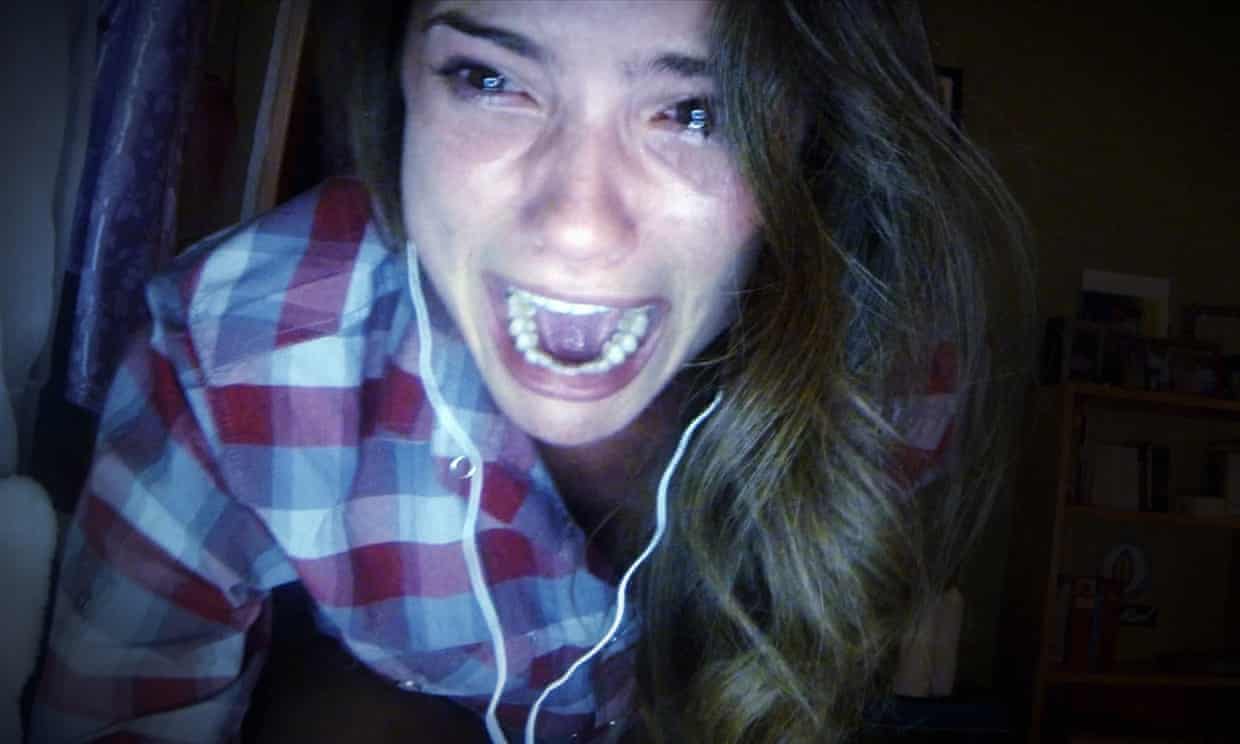
Jumping ahead a few years, the mid 2010s are less concerned with scaring parents about children's internet safety, but instead propose a new technological anxiety – internet surveillance. The Den (2013) follows a student writing her thesis on the habits of web cam users. Her life then begins to spiral out of control when she witnesses a grisly murder from the supposed sanctity of her computer screen. This era closely examines the threat of being surveilled and exposed to the horrors from the world-wide-web. Unfriended (2014) follows a similar framework of internet surveillance, but with a supernatural twist.Ratter (2015) | Start Motion Pictures
Ratter (2015) poses the threat of internet hacking and cyberstalking – which ironically foreshadowed the upsurge in people covering up their webcams with stickers . Unfriended: Dark Web (2018) was quick to jump on the bandwagon of the Dark Web trend, exploiting our anxieties of the potential of livestreaming death through the phenomenon of Red Rooms – an urban legend that claims there are Dark Web criminals livestreaming murder and torture for paying consumers.Searching (2018) | Bazelevs Production
Searching (2018) follows a dad who uses his daughter's laptop to search for clues about her disappearance. Notably one of the only pro-technology screenlife films with an optimistic use of the format. These films were so popular whilst simultaneously being effective as they tapped into our anxieties of digital surveillance. It was so commercially successful that it spawned a sequel – Missing in 2023. The same year, we got Profile, a film that follows a journalist who goes undercover to investigate the recruitment of young women by ISIS.Host (2020) | Shudder
The 2020s marked a turning point for the screenlife format, as many indie filmmakers were confined to their homes during the pandemic. Having no other choice but to utilise their limited resources, we got films like Spree (2020), Host (2020), Dashcam (2021) – all clever uses of the screenlife format. Remarkably, it never feels gimmicky but rather resourceful given the circumstances of the industry at this time. They collectively utilise the format as a means of showcasing our deepest pandemic fears whilst confined to our screens.Lifehack (2025) | Bazelevs Production
2025 unfortunately gave us War of the Worlds, an abomination of a film that feels more akin to an Amazon advertisement. The film was a poor attempt at the screenlife phenomenon as it championed product placement and cinematic cliches, much to the disdain of general audiences and critics alike. Despite this giving a bad name to screenlife films, 2025 redeemed itself with LifeHack, a quirky and contemporary heist thriller. This film follows a group of tech-savvy delinquents that conspire to perform a heist – all from their computer screens. This film was a tasteful and innovative stab at the screenlife format.Screenlife cinema has revolutionised contemporary filmmaking. From merging with found-footage horror, to obeying the pandemic’s social restrictions, screenlife gave filmmakers a platform to create while bound to Covid’s rules.The screenlife phenomenon is nothing short of a resourceful and timely use of technology in the indie filmmaking scene. This subgenre has evolved from cheap and gimmicky, to a true asset to shoestring budget cinema.


